

inherited muscle disorder treatments are evolving, as BridgeBio breaks ground with its first FDA approval. This marks a significant milestone for patients and families affected by these conditions.
Overview of Inherited Muscle Disorders
Inherited muscle disorders are a group of genetic conditions that affect muscle function and strength. These disorders can lead to progressive weakness, muscle wasting, and a variety of other complications, significantly impacting the quality of life for those affected.
Due to their genetic nature, inherited muscle disorders can be passed down through families. They often manifest in childhood or adolescence but can also appear later in life. The severity and specific symptoms of these disorders vary widely among individuals, depending on the type of genetic mutation involved.
Some common types of inherited muscle disorders include:
- Duchenne Muscular Dystrophy (DMD) – A severe form of muscle degeneration primarily affecting boys.
- Becker Muscular Dystrophy (BMD) – A milder variant of DMD that typically manifests later in life.
- Myotonic Dystrophy – Characterized by prolonged muscle contractions and weakness.
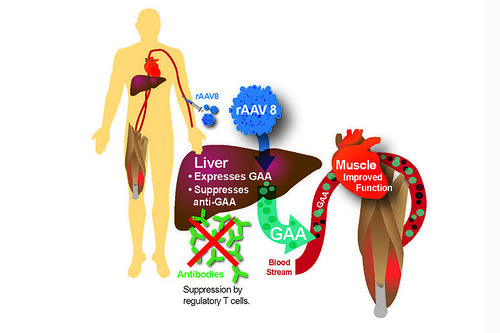
Recent advancements in research and therapy have led to promising solutions for individuals with inherited muscle disorders. Innovations in gene therapy and targeted treatments are paving the way for improved outcomes and hope for affected families.
BridgeBio’s Breakthrough Approval
BridgeBio Pharmaceuticals has made significant strides in the realm of inherited muscle disorders with the recent approval of its groundbreaking treatment. This marks a pivotal moment in the journey towards addressing the needs of those affected by these challenging conditions. The approval is part of a larger initiative, as BridgeBio aims for two additional FDA approvals in the near future.
The newly approved therapy targets a specific genetic mutation responsible for a subset of inherited muscle disorders, providing hope where few options previously existed. Patients and families have long awaited effective treatments, and this breakthrough signals a shift in the landscape of care.
Key aspects of BridgeBio’s approach include:
- Targeted Therapy: The treatment directly addresses the underlying genetic cause, offering a more personalized approach.
- Clinical Trials: Extensive trials have demonstrated significant efficacy and safety, reinforcing confidence in the therapy’s potential.
- Patient Support: BridgeBio is committed to providing educational resources and support for patients navigating their treatment journeys.
As more treatments emerge, the future looks promising for those living with inherited muscle disorders, paving the way for improved outcomes and quality of life.
Impact on Patients and Families
The impact of inherited muscle disorders extends far beyond the individual, affecting families and communities alike. Patients often face a range of physical challenges that can hinder their daily activities and overall quality of life.
Families grapple with the emotional and financial burdens associated with long-term care and treatment. Many parents become caregivers, dedicating countless hours to support their loved ones while managing the complexities of medical appointments and therapies. This can lead to significant stress and strain on familial relationships.
Moreover, the uncertainty surrounding inherited muscle disorders can create a sense of helplessness. Patients and their families frequently find themselves navigating a labyrinth of options and information, seeking the best proven solutions available. As new treatments emerge, such as those from BridgeBio, hope is rekindled. Families are eager for advancements that promise improved outcomes and enhanced quality of life.
Support networks play a crucial role in helping families cope with the challenges of inherited muscle disorders. These networks offer resources, share experiences, and foster a sense of community among those affected. With continued research and breakthroughs, the future holds promise for patients and their families as they strive for a better tomorrow.
Future of Muscle Disorder Treatments
The future of treatments for inherited muscle disorders looks increasingly promising as researchers and pharmaceutical companies continue to innovate and collaborate. The recent approval of groundbreaking therapies marks a pivotal moment in the fight against these debilitating conditions, providing hope to countless patients and their families.
As we look ahead, several key trends are emerging that may shape the landscape of muscle disorder treatments:
- Gene Therapy Advancements: Innovative gene-editing technologies like CRISPR are being explored to directly target and correct genetic mutations responsible for inherited muscle disorders.
- Personalized Medicine: Tailored treatment plans based on individual genetic profiles are gaining traction, allowing for more effective and targeted interventions.
- Collaboration and Research: Partnerships between biotech firms, research institutions, and patient advocacy groups are vital for accelerating the development of new therapies.
- Regulatory Support: Increased support from regulatory agencies, such as the FDA, for expedited approvals of treatments shows promise for faster access to therapies.
With these advancements, patients suffering from inherited muscle disorders can remain optimistic as the medical community strives to develop effective solutions that significantly improve quality of life.
Insights from Industry Experts
Insights from industry experts highlight the significance of recent advancements in the treatment of inherited muscle disorders. Dr. Emily Chen, a leading researcher in muscle pathology, notes that the approval of new therapies marks a turning point for patients. She emphasizes, “These treatments not only target the underlying genetic causes but also improve the quality of life for many affected individuals.”
Dr. Mark Johnson, a geneticist specializing in neuromuscular diseases, adds that early intervention is crucial. “Identifying inherited muscle disorders in their infancy can drastically change the treatment landscape,” he explains. With improved genetic screening techniques, families can receive timely diagnosis and access to innovative therapies that can slow disease progression.
In a recent symposium, experts discussed the importance of collaboration among pharmaceutical companies, researchers, and advocacy groups. “A multifaceted approach is essential,” says Dr. Sarah Lewis, a patient advocate. “Bringing together diverse expertise will accelerate the development of solutions that cater to the unique needs of those with inherited muscle disorders.”
As research continues to evolve, the hope is that future treatments will provide even more effective solutions, enhancing both the physical and emotional well-being of patients and their families.
Recent advancements in gene therapy have shown promise in treating various forms of inherited muscle disorder. Patients and researchers alike are hopeful that these best proven solutions will significantly improve quality of life for those affected by inherited muscle disorder.
By NIH-NCATS via Openverse